 Zone Finder
 Make a Plan
 Emergency Shelters
 Closings & Delays
 Quick Links

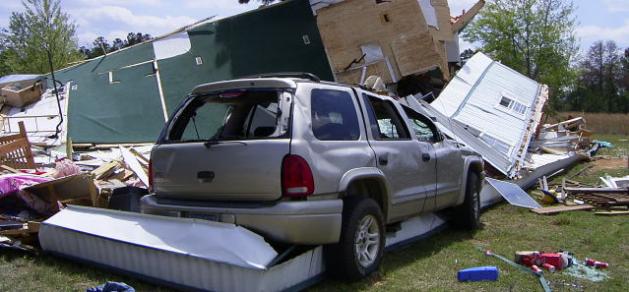
Discuss emergency plans with everyone in your household. Make sure each person knows what to do and where to go if you become separated.
- Identify two meeting places: one near your home for sudden emergencies and another outside your neighborhood if you cannot return home.
- Choose an out-of-town contact everyone can call or text to report their location and safety.
- Discuss evacuation routes, shelter options and family responsibilities.
- Include pets, children, older adults and family members with disabilities in your plan.
- Keep emergency contacts and important information accessible.
Practice and Maintain Your Plan
Review your plan regularly and make sure everyone knows what to do.
- Practice fire and emergency evacuation drills.
- Update emergency contacts and household information.
- Replace stored water every three months and check food expiration dates.
- Test smoke alarms monthly and maintain fire extinguishers according to manufacturer instructions.
Prepare Your Neighborhood
Working together can help protect your community until emergency responders arrive.
- Identify neighbors who may need additional assistance, including older adults and people with disabilities.
- Share skills and resources that could help during an emergency.
- Discuss how to assist children and others who may be separated from their families.
- Develop neighborhood communication and assistance plans.
Know Your Utilities
- Locate your home's main electrical panel, water shut-off valve and natural gas shut-off valve. Teach responsible household members how and when to use them.
- Keep necessary tools nearby.
- Turn off utilities only if damage is suspected or officials instruct you to do so.
- If natural gas is turned off, have a qualified professional restore service.
Evacuation Planning
If officials issue an evacuation order, leave promptly and follow their instructions.
- Monitor emergency alerts and local instructions.
- Take your emergency supply kit, medications and important documents.
- Wear protective clothing and sturdy shoes.
- Secure your home before leaving.
- Follow designated evacuation routes and avoid closed or unsafe roads.
- Make arrangements for pets.
- Let a trusted contact know where you are going.
- Turn off utilities only if instructed or if damage is suspected.
Returning Home After a Disaster
Do not return until officials say it is safe. Check for hazards before entering or restoring utilities.
- Use a flashlight. Avoid matches, open flames and electrical switches if you suspect a gas leak.
- Check for structural damage, fires, damaged wiring and other hazards.
- If you smell gas, leave immediately. Do not operate electrical switches or appliances. Contact emergency services or your utility provider from a safe location.
- Avoid standing water if electrical hazards may be present.
- Have damaged utilities inspected by qualified professionals before restoring service.
- Wear protective clothing when cleaning up debris or hazardous materials.
Use these tools to prepare for emergencies:


